
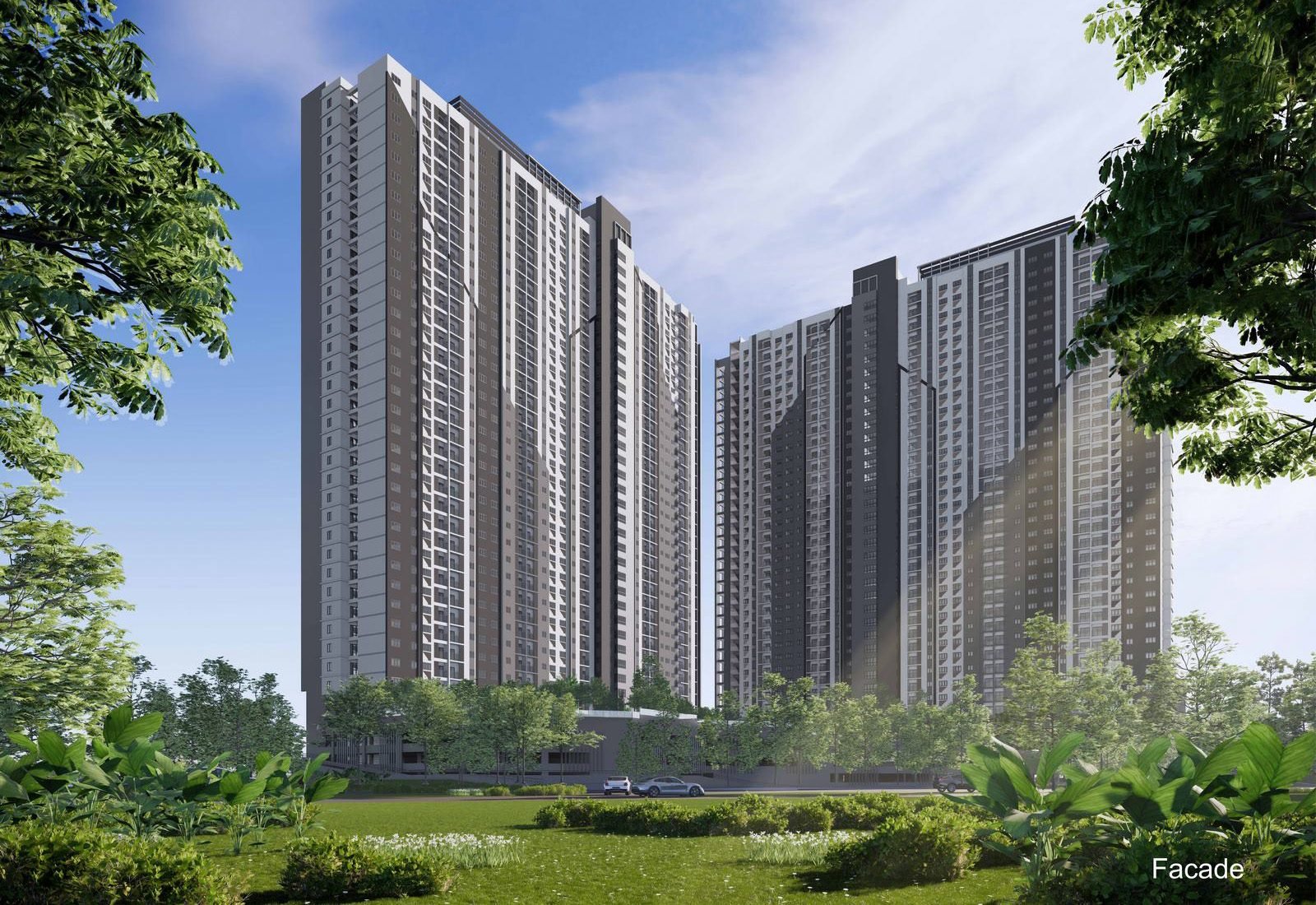
Here's something most buyers don't realise until they're deep into a purchase: a huge share of the shiny new "condos" launching across Kuala Lumpur aren't legally condominiums at all. They're serviced apartments — and that single distinction quietly changes what you pay every month for the rest of the time you own the place.
It's one of the most misunderstood things in the Malaysian market, partly because agents, portals and even developers use "condo", "apartment" and "serviced residence" almost interchangeably. So let me clear it up properly, the way I explain it to my own buyers: what actually separates the two, what it really costs you, where each one wins, and how to check what you're truly buying.
The short answer
A condominium sits on residential-titled land. A serviced apartment (or serviced residence) sits on commercial-titled land — even though people live in it exactly the same way. Both are strata homes with shared facilities. The real difference isn't luxury or quality; it's the title, and the higher running costs — utilities, assessment and quit rent — that usually come with a commercial title.
It's about the land title, not the facilities
People assume "serviced apartment" means fancier, or that "condominium" means it has a pool and gym. That's not where the line is. Plenty of serviced apartments and condominiums have identical facilities, identical finishes, even identical-looking towers next door to each other.
The distinction that actually matters is the land title the building sits on:
A condominium is built on land zoned for residential use. It's a strata property — you own your unit plus a share of the common areas — and it's governed and taxed as a home.
A serviced apartment (the marketing term "serviced residence" means the same thing) is built on land zoned for commercial use, then used residentially. It's still a strata home you live in, but because the underlying title is commercial, a whole set of costs and rules follow the commercial classification rather than the residential one.
This is also why the two often look so similar: a developer can build a serviced apartment on commercial land in a prime, transit-linked spot where a pure residential condo might not be permitted — which is exactly why so many city-centre and station-adjacent high-rises are serviced apartments.
The rest of the family: apartment, flat, SoHo, SoVo, SoFo
While we're here, the other labels you'll see on listings:
Apartment and flat sit on the same residential strata title as a condominium — the practical difference is really just facilities and size (an "apartment" or "flat" tends to mean a simpler, older block with fewer facilities). Legally, condo and apartment are close cousins.
SoHo, SoVo and SoFo (Small-office Home-office / Versatile-office / Flexible-office) are commercial-title hybrids marketed for live-work use. They're generally more commercial than a serviced apartment — some fall outside Housing Development Act protection and may attract commercial financing rather than a normal home loan. If you're looking at one of these, treat it as a commercial purchase until you've confirmed otherwise.
The differences that actually cost you money
This is the part that matters for your wallet. Because a serviced apartment sits on commercial title, several recurring costs are typically charged at commercial rates:
1. Utilities (the big one). Electricity and water on a commercial classification cost more than the domestic rates a residential condo enjoys. Since 1 July 2025, TNB's domestic electricity runs on a new component-based structure — roughly 44–54 sen per kWh all-in before adjustments, with an Energy Efficiency Incentive that cushions lower-usage households. Commercial supply is a separate, generally costlier classification that doesn't get those domestic low-usage rebates. Water is the same story: commercial (trade) water tariffs run well above domestic rates — the minimum charge alone has historically been several times higher — and utility deposits are larger too. One more practical quirk: commercial-titled buildings usually have no piped natural gas, so you cook with an electric hob or a gas cylinder.
2. Assessment tax and quit rent. Assessment tax (cukai taksiran/cukai pintu, paid to the local council and based on annual value) and quit or parcel rent (cukai tanah/cukai petak, the land tax on your strata parcel) are both generally rated higher on commercial title than residential.
3. Maintenance fees. Serviced apartments often carry higher maintenance charges — partly because they tend to pack in more facilities and higher density, and partly because of the commercial servicing standard.
Add it up and the gap is real but not enormous. Industry write-ups in 2026 commonly estimate a commercial title adds on the order of RM200 to RM400 a month in extra utility and assessment costs versus an equivalent residential condo. Over a long hold that's meaningful — and, importantly, it's a number that rarely appears in the rental-yield maths an agent shows you. Build it into your own sums.
What's actually the same
It's just as important to know what doesn't change, because the commercial-title label scares some buyers more than it should:
You're still protected. A serviced apartment sold to you as a home is still governed by the Housing Development Act, with the same statutory sale-and-purchase agreement, defect liability period and buyer protections a residential project has.
It's still a strata title. You get an individual strata title and full ownership of your parcel, the same as a condo.
Home financing usually applies. Banks generally finance serviced apartments like residential homes, commonly up to a 90% margin for eligible buyers — unlike pure commercial products (SoVo/SoFo), which can attract commercial loans. Confirm the treatment for your specific unit with your banker.
Buying costs are the same. Stamp duty on the transfer and the loan, legal fees, and Real Property Gains Tax on a future sale are based on the property and price — not on whether the title is residential or commercial. The title changes your running costs, not your buying costs.
Serviced apartment vs condominium: side by side
| Feature | Condominium | Serviced apartment |
|---|---|---|
| Land title | Residential | Commercial |
| Ownership | Strata title | Strata title |
| Electricity & water | Domestic rates (lower) | Commercial rates (higher) |
| Assessment & quit rent | Residential (lower) | Commercial (higher) |
| Maintenance fee | Lower on average | Often higher |
| Piped gas | Often available | Usually none |
| Typical density | Lower (per-unit basis) | Often higher (plot ratio) |
| HDA buyer protection | Yes | Yes |
| Home financing | Yes (up to ~90%) | Yes, usually (confirm) |
| Short-stay / Airbnb | Often restricted | Generally allowed |
| Typical location | Suburban / residential zones | Prime, city & transit-linked |
| Extra running cost | — | ~RM200–400/month more |
Guide only — actual figures vary by development, council and your usage. Always confirm against the specific unit.
Where serviced apartments actually win
None of the above makes serviced apartments a bad buy — plenty of the best-located, best-performing high-rises in KL are serviced apartments, and for good reason:
Location. Commercial land tends to sit exactly where you want to be — city centre, next to malls, on top of or beside transit. If you want a truly central or station-linked home, a serviced apartment is often the only realistic option.
Facilities and lifestyle. The commercial, higher-density model usually funds a bigger facilities deck — multiple pools, larger gyms, co-working, sky lounges — and integration with retail and offices.
Short-stay flexibility. Because the zoning is already commercial, serviced apartments sidestep much of the legal grey area around short-term letting (Airbnb-style), which residential condos increasingly restrict. For an investor running short stays, that clarity is valuable.
Entry price. Compact serviced-apartment layouts in central locations can offer a lower absolute entry price than a large residential condo — useful for first investors and singles.
Where condominiums win
Lower running costs. Residential rates on utilities, assessment and quit rent make a condo cheaper to hold month to month — the RM200–400 difference, kept in your pocket.
A calmer, residential feel. Residential zoning and lower density usually mean fewer units per floor, quieter common areas and a stronger owner-occupier community, rather than a mix of tenants, offices and short-stay guests.
Cleaner long-term resale to families. Owner-occupier buyers who plan to live there for years often prefer the residential title and lower outgoings, which can make a well-located condo an easier long-term sell.
So which should you buy?
Here's the honest, agent's-eye way to decide — it comes down to how you'll use it:
Buying a long-term family home and watching every ringgit of monthly cost? Lean condominium (residential title). Over a ten- or twenty-year hold, the lower running costs add up, and the residential feel suits family living.
Want a central, transit-linked address, or running a short-stay / rental play? A serviced apartment is often the smarter — sometimes the only — choice. Just underwrite the higher running costs honestly before you commit.
Chasing the best-located unit at a given budget? Don't rule out serviced apartments on title alone. A brilliantly located serviced apartment usually beats a mediocre residential condo. Title is one input, not the whole decision — the same way I argue in my leasehold vs freehold guide that tenure is only one factor, not the verdict.
How to check what you're actually buying
Don't trust the brochure name. Before you commit, confirm these on the real documents:
Read the title on the SPA and strata documents. It will state the land use — residential (kediaman) or commercial (perniagaan). That one word tells you which cost structure you're inheriting.
Ask the developer or agent directly whether the project is a condominium or a serviced apartment, and get it in writing. A straight answer is a good sign; a dodge is a red flag.
Ask how utilities are billed — domestic or commercial tariff — and what the utility deposits are. Occasionally a developer negotiates a better utility arrangement, so it's worth asking specifically.
Check the council's rating basis for assessment, and confirm the maintenance fee and sinking fund per square foot. These are the numbers that hit your account every month.
The Malaysia reality check
If you're shopping for a new launch in or near the city, brace yourself: a large share of what's on the market is serviced apartments, not residential condos. That's not a reason to walk away — it's just the nature of building on the commercial land where the best-connected sites sit. The mistake isn't buying a serviced apartment; the mistake is buying one thinking it's a residential condo and getting surprised by the bills. Know the title, budget for the running costs, and a serviced apartment can be an excellent buy.
Two of the projects I cover are good live examples: Aster Hill Sri Petaling and Danau Puchong are both serviced apartments on a commercial title — which is completely normal for their locations, and something I flag openly on each project page so you can budget properly.
The bottom line
Serviced apartment versus condominium isn't a quality contest — it's a title-and-cost decision. A condominium sits on residential land with lower running costs and a calmer, family feel. A serviced apartment sits on commercial land, usually in a more central, connected, facility-rich spot, at the price of higher monthly outgoings and often higher density. Neither is "better" in the abstract; the right one is the one whose trade-offs match how you'll actually live in or let the place.
If you're weighing a specific unit and want to know exactly what it'll cost you to hold — title, tariffs, maintenance and all — send it to me and I'll break down the real numbers for that project and your plans, honestly.
This guide is general information for Malaysian property buyers, not legal or financial advice. Utility tariffs, assessment rates and financing terms change and vary by development and council — confirm the specifics with the developer, your conveyancing lawyer, your banker and the local authority for your exact unit.
Cost and tariff references: iProperty.com.my and PropertyGuru (serviced apartment vs condo cost differences), and TNB's RP4 electricity tariff structure effective 1 July 2025 (mytnb.com.my/tariff). Figures are indicative and change over time.