
It's almost always the first question a buyer asks me: "Is it freehold or leasehold?" And it's a fair one — tenure is one of the few things about a property you can't renovate, relocate or negotiate away later. But the way it's usually framed — freehold good, leasehold bad — is far too blunt. The honest answer is that the right tenure depends entirely on who you are, how long you'll hold, and what you're trying to achieve.
Here's my plain-English breakdown, as an agent, of what leasehold and freehold really mean in Malaysia, the genuine trade-offs of each, and how to decide which one fits you.
First, what the two words actually mean
Freehold (pegangan bebas) means you own the land indefinitely. There's no expiry date on the title; it passes down through your family or to whoever you sell it to, in perpetuity. For most people that permanence is the whole appeal.
Leasehold (pegangan pajakan) means the land is leased from the state government for a fixed term — most commonly 99 years, though you'll occasionally see 60-year or even 999-year leases. During that term you own and use the property fully, just like a freehold owner. When the term ends, the land reverts to the state unless the lease has been renewed or extended beforehand.
One important clarification: tenure (freehold vs leasehold) is not the same thing as land title (residential vs commercial). A serviced apartment, for example, can be leasehold and sit on a commercial title — two separate facts, both worth checking. I'll come back to that.
The case for freehold
The strengths of freehold are the obvious ones, and they're real:
Permanent ownership, no lease decay. You never watch a clock tick down. A leasehold with 99 years today has 70 years left in three decades; a freehold simply doesn't have that mechanic. For a long-term family home or a legacy asset, that peace of mind matters.
Simpler resale. Freehold transfers generally don't need state consent to transfer (which leasehold does), so a sale can move faster with one less approval and fee in the way.
Cleaner financing over time. Because there's no shrinking lease, a freehold unit doesn't run into the margin-and-tenure squeeze that older leasehold units can face when the remaining lease gets short.
The trade-offs are just as real, though. Freehold usually costs more for a comparable property, and in much of prime Kuala Lumpur and Selangor it's simply scarce — a great deal of the best-located land there is leasehold, so insisting on freehold can quietly price you out of the location you actually wanted. And freehold is not absolute immunity: under the Land Acquisition Act 1960, the government can compulsorily acquire any land — freehold included — for a public purpose, with compensation.
The case for leasehold
Leasehold gets an unfairly bad reputation. Here's the other side:
Lower entry price. All else equal, leasehold tends to be more affordable, which can mean a bigger unit, a better facing, or a stronger address for the same budget.
Often, the better location. Because so much prime Klang Valley land is leasehold, choosing leasehold frequently means choosing a more central, more connected, more mature address. Many of KL's most sought-after and best-performing condominiums are leasehold.
A fresh lease is a distant worry. On a brand-new launch with a 95–99-year lease, decay is a non-issue for a typical owner-occupier's holding period. You'd have to hold for decades before it starts to matter.
The cons cluster around one thing — the lease shortens — and they mostly bite later, or on older stock:
Financing tightens as the lease runs down. Banks happily finance new leasehold, but as remaining years fall, they may cut the loan margin or shorten the tenure. A common guideline is that the remaining lease should comfortably exceed your loan tenure — so a unit with, say, 60 years left can be harder to finance at full margin than a fresh one.
Resale adds a step. Selling leasehold requires the state's consent to transfer, which adds time (often weeks to a few months) and a fee to the transaction.
Extension costs money and isn't automatic. You can apply to top up the lease back toward 99 years by paying a premium to the state. It's commonly granted for residential land, but it is neither free nor guaranteed, and the cost rises the longer you wait.
The part buyers underestimate: financing and resale
If there's one area where tenure genuinely changes the maths, it's the bank's view. For a new leasehold with 90-plus years remaining, you'll generally be treated much like a freehold buyer. The difference shows up on the secondary market: if you're buying (or later selling) an older leasehold unit with a shorter remaining term, expect banks to be more conservative on both how much they'll lend and over how many years. Exact policies vary bank to bank, so if you're looking at older leasehold stock, it's worth a quick check with a banker before you fall in love with the unit.
On resale, the state-consent step for leasehold is the practical friction most first-time sellers don't expect. It's routine and manageable — but it's real, and it's why a freehold sale can feel smoother.
A few Malaysian specifics worth knowing
99 years is the norm for leasehold; treat anything much shorter (a 60-year lease, say) with extra caution unless the price and your holding plan clearly justify it. In Penang, many properties sit on 999-year leases, which behave more like quasi-freehold in practice. Separately, Malay Reserve land carries its own restriction — it can generally only be transferred between Malays — and that's independent of whether the title is freehold or leasehold. None of these are dealbreakers on their own; they're just things to confirm on the actual title, not assume from the brochure.
So which should you choose?
Here's how I actually talk it through with buyers:
If you're buying a long-term family home, freehold is a lovely thing to have — but a brand-new 99-year leasehold in the right location, at a price that leaves you room to breathe, is completely sensible too. Don't reject a great home purely on the word "leasehold" if the lease is fresh and the location is right.
If you're investing or you expect to sell within, say, 5–10 years, freehold gives you a slightly cleaner exit — but location, product quality, price and timing will drive your return far more than tenure will. A well-bought leasehold in a strong area routinely beats a poorly-bought freehold in a weak one.
If budget or location is your binding constraint, leasehold is often what gets you into the address you actually want. That's a legitimate, common reason to choose it.
If you specifically want a residential-title, own-in-perpetuity asset — and you're willing to pay for it and hunt harder to find it — freehold is worth holding out for.
A quick checklist before you commit
Whichever way you lean, confirm these on the real documents, not the marketing:
Check the tenure (freehold or leasehold) and, if leasehold, the remaining years, not just the original term. Check the land title separately — residential or commercial — because a commercial title (common for serviced apartments) often means commercial utility and assessment tariffs regardless of tenure. Ask about any restriction in interest or Malay Reserve status. And if you're buying older leasehold, get a banker's read on financing before you sign anything.
The honest bottom line
Freehold is the safer default and the easier story to tell — but it's not automatically the smarter buy, and chasing it blindly can cost you the location you really wanted. Leasehold isn't the compromise it's made out to be, especially on a fresh 99-year lease in a strong, mature area. The tenure that's "right" is the one that matches your budget, your location priorities and how long you plan to hold. Get those three straight, and the freehold-vs-leasehold question mostly answers itself.
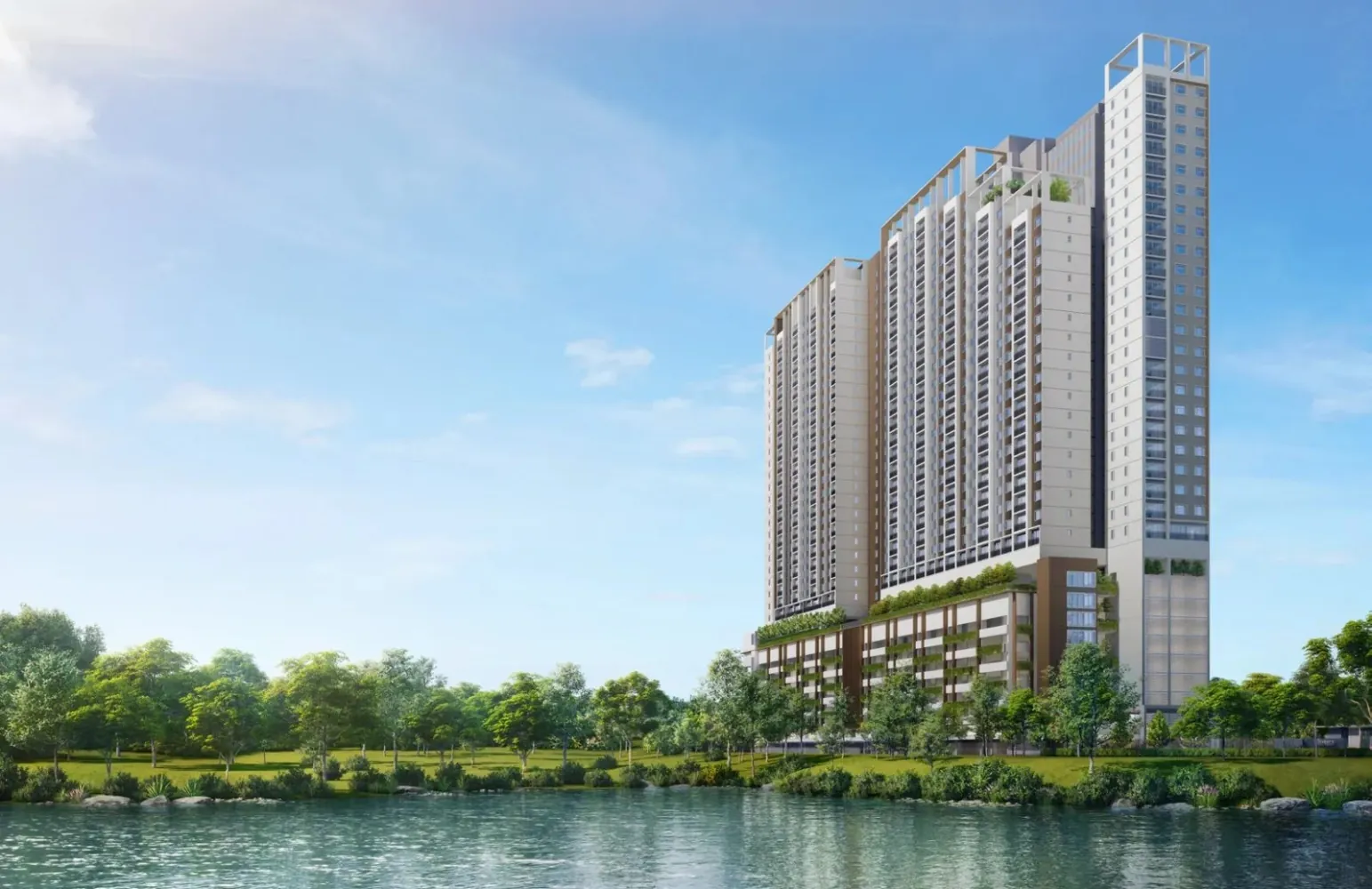
If you're weighing a specific project — say a leasehold lakeside launch like Danau Puchong against a freehold option like Alamanda Heights — send it to me and I'll give you the honest tenure trade-offs for that exact unit and your plans.
This guide is general information for Malaysian property buyers, not legal or financial advice. For your specific situation, confirm the details with your conveyancing lawyer and your banker.